
Can Porcelain Veneers Help Close Gaps Between Teeth?
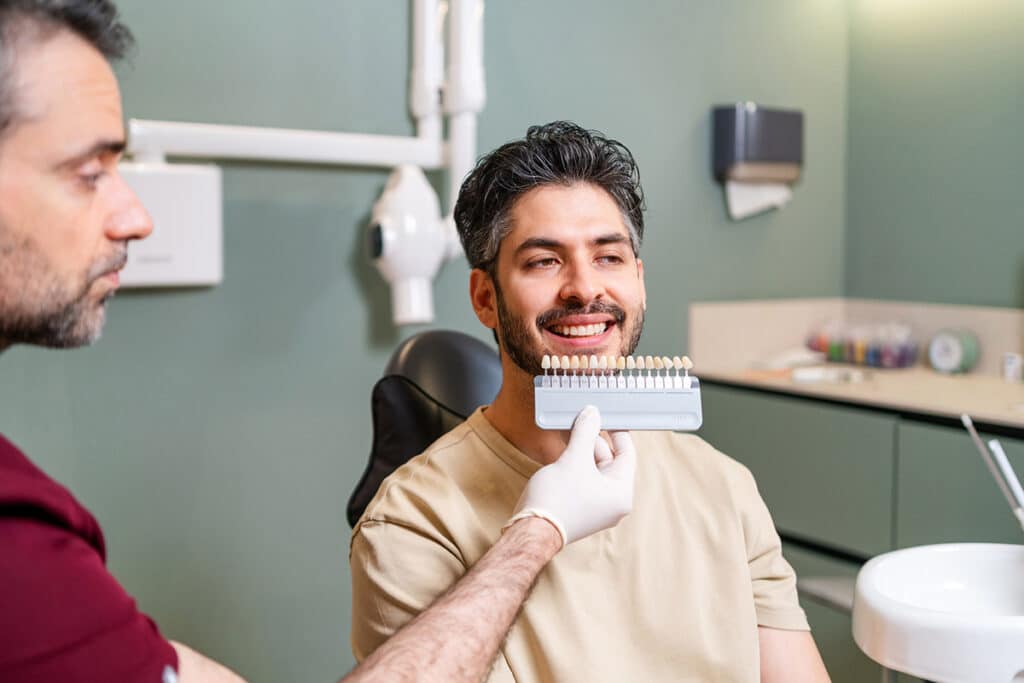
Many people feel self-conscious about gaps in their teeth. Porcelain veneers often help close these gaps while improving the look of your smile. While veneers work well in the right cases, they are not always the ideal solution.
In this article, we outline how veneers can close gaps when appropriate and the key factors to consider before starting treatment. We’ll also discuss alternatives, long-term care, and answer common patient questions.
How Porcelain Veneers Close Small Gaps
Porcelain veneers are thin shells that we bond to the front of your teeth, changing their width, shape, and contour. By artfully widening one or more teeth, we can often close or minimize gaps in your smile.
Veneers work best for small to moderate gaps, especially in the front teeth, where appearance matters most. We plan each case carefully to ensure your smile stays natural and balanced. If teeth become too wide, the results can seem bulky or uneven, so choosing the right cases matters as much as the materials.
Why Veneers Can Work Well for Spacing
Veneers allow us to close gaps without requiring months or years of orthodontic treatment. Along with improving tooth color and shape, veneers can enhance your smile line, making it look more even. When we design veneers that blend seamlessly with your natural teeth and select the right candidates for treatment, we can effectively address several aspects of your smile—including closing gaps—in a single procedure.
When Veneers May Be a Good Option
We recommend veneers mainly for cosmetic gaps when your bite remains stable, and your teeth and gums are healthy. With enough enamel for bonding, you can achieve a predictable, attractive result.
Veneers also address other esthetic concerns that may accompany gaps, such as small, worn, chipped, or uneven teeth. In these situations, porcelain veneers can improve multiple aspects of your smile within a single treatment plan, not just close the space.
Signs Veneers May Suit the Case
- The gap is small or moderate
- The patient wants cosmetic improvement in shape or color, too
- The teeth and gums are healthy
- The bite does not place excessive stress on the front teeth
- The patient understands that veneers are a long-term dental restoration
When Another Treatment May Make More Sense
We don’t see veneers as the solution for every gap. Some gaps result from bite issues, missing teeth, gum disease, or tongue habits, so we address these causes directly. Orthodontic treatment often yields better functional and aesthetic results when tooth movement is necessary.
Larger gaps often need braces or clear aligners, sometimes with cosmetic finishing. If gum disease shifts your teeth, we address the disease first. For gaps caused by missing teeth or an abnormal frenum, other treatments may be more effective. Careful case planning ensures your smile looks great and remains healthy.
Alternatives We May Discuss
- Clear aligners
- Traditional braces
- Dental bonding
- Frenectomy in selected cases
- Restorative treatment for missing teeth
- Periodontal care if gum disease is present
Benefits Beyond Gap Closure
Many people choose veneers because they do more than close gaps—they also improve symmetry, mask stubborn stains, and refine the proportions of your smile. Veneers often form part of a broader cosmetic plan, delivering a polished and natural look overall.
Porcelain resists stains better than bonding, helping your smile stay bright for years. Skilled dentists design veneers to reflect light much like natural enamel, creating a lifelike look, especially for front teeth.
Common Cosmetic Improvements With Veneers
- Closing small spaces
- Correcting minor chips
- Improving tooth shape
- Creating a more even appearance
- Covering some deep discoloration
- Refining size differences between teeth
What the Treatment Process Usually Involves
We begin with a thorough exam, photos, and a discussion about your goals. We evaluate the gap, bite, gum health, and tooth proportions, sometimes taking X-rays or digital scans. Careful planning lets us decide if veneers can close the gap in a way that looks and feels natural.
If veneers fit your needs, we conservatively prepare your teeth—how much we adjust depends on your smile and tooth position. After taking impressions or digital scans, we may place temporary veneers. Our dental lab crafts your final veneers, and once we confirm the fit, shade, and contour, we bond them securely in place.
Typical Steps
The process of getting veneers begins with a comprehensive smile evaluation and dental examination. Diagnostic records and imaging are then used to create a clear picture of your oral structure, ensuring a personalized treatment approach. This phase allows us to carefully plan the procedure, tailoring it to meet your unique needs.
If needed, the next step is to prepare your teeth by gently reshaping the enamel to accommodate the veneers. We then take impressions or digital scans of your teeth to create a precise model for your veneers. While your final restorations are being crafted in the dental lab, temporary veneers may be placed to protect your teeth and maintain aesthetics. Once the final veneers are ready, we meticulously check the fit, shade, and contour before bonding them to your teeth. The process concludes with a bite adjustment to ensure comfort and optimal functionality, leaving you with a beautifully enhanced smile.
Limits and Risks Patients Should Know
Veneers offer excellent cosmetic results for closing gaps, but they have limitations. Veneers won’t fix all bite problems and require careful maintenance. Because we often remove enamel, the treatment is not reversible.
Veneers can chip, debond, or wear with time. If you grind your teeth, a night guard protects your veneers. Gum recession may affect the edges of your veneers as you age. We review both the benefits and possible drawbacks so you can make an informed decision.
Key Considerations
- Veneers may require enamel removal
- They do not replace orthodontics in all cases
- They may need repair or replacement later
- Grinding and clenching can shorten their lifespan
- Good home care and regular dental visits still matter
How Long Can Porcelain Veneers Last?
Porcelain veneers last for many years with good care, though they don’t last forever. Studies show veneers often remain strong beyond 10 years, but actual longevity depends on your oral habits, regular maintenance, and how well we plan your treatment. Consistent care and follow-ups make a big difference in keeping veneers looking their best.
Maintain your veneers by brushing daily with a non-abrasive toothpaste, flossing, and getting regular dental checkups. Use a night guard if you grind your teeth, and avoid chewing hard objects like ice or pens. Address bite issues promptly and take care of your gums to help your veneers stay healthy and attractive for years.
How We Decide if Veneers Are Right for a Gap
We assess much more than the gap itself, looking at your facial balance, tooth width, gum display, bite forces, and the cause of the spacing. Small gaps between narrow teeth often respond well to veneers, while gaps caused by shifting or bite problems may require other solutions.
We do more than close gaps—we ensure results look natural and feel comfortable in your smile. Our personalized exam helps determine if veneers, bonding, or orthodontics will give you the healthiest, most natural result.
Choosing the Best Next Step for Your Smile
Porcelain veneers can close small to moderate gaps for patients seeking cosmetic improvements, often enhancing color, shape, and symmetry in a single treatment. We always check that your bite, gums, and teeth are healthy enough to support veneers before moving forward.
If you want to close a gap in your smile, schedule a professional evaluation. We’ll identify the cause, explain your best options, and recommend a treatment that matches your cosmetic goals and long-term dental health.
Frequently Asked Questions About Porcelain Veneers
Can porcelain veneers close any size gap between teeth?
No. Veneers usually work best for small to moderate gaps, especially in the front teeth. Larger spaces or gaps linked to bite problems often respond better to orthodontic treatment.
Do veneers look natural when used to close gaps?
Veneers look very natural when we design them with the proper tooth proportions, shape, and shade. Careful planning allows us to avoid teeth that appear too wide or bulky.
Are porcelain veneers permanent?
Porcelain veneers serve as a long-term restoration, and treatment usually requires us to remove a small amount of enamel. You should view the decision to get veneers as a lasting commitment, not a temporary cosmetic change.
How do veneers compare with dental bonding for gaps?
Dental bonding closes small gaps using minimal tooth preparation and often costs less. Porcelain offers better stain resistance and greater durability than bonding. The ideal choice depends on your gap’s size, your cosmetic goals, and your oral habits.
How should we care for porcelain veneers after treatment?
Brush and floss daily, keep regular dental visits, and avoid habits that might chip your restorations. If you grind or clench your teeth, use a night guard to protect your veneers.
We provide comprehensive dental care to patients and families in our community, supporting healthy, confident smiles. At The Ricco Dental Group, we offer personalized treatment and clear guidance, helping patients make informed decisions about their care. To learn more or schedule a visit, contact us today to take the first step toward achieving your best smile!