
The Most Common Dental Emergencies and How to Handle Them at Home

A dental emergency can strike at any time and often without warning. Whether you experience a sudden, sharp toothache or sustain an injury from a fall, knowing how to respond can make a significant difference. You can take some temporary steps at home to protect your oral health until you visit our office. We believe that by sharing this knowledge, we can help you navigate stressful moments with more confidence.
This guide explains practical first-aid steps for several common dental emergencies. These methods can relieve discomfort and stop problems from worsening. However, at-home actions do not replace professional dental care. After you take initial steps, always schedule an appointment for an accurate diagnosis and treatment. Acting quickly leads to better outcomes, and we stand ready to provide the expert care you need.
Severe Toothache
A severe, constant toothache signals that something is wrong. You may notice pain that ranges from a dull ache to a sharp, throbbing sensation, making it hard to eat, sleep, or focus. Such pain often indicates issues such as tooth decay, an infection (abscess), a cracked tooth, or gum disease. If you ignore a toothache, you could develop more serious complications, such as an infection that spreads.
While you wait for your dental visit, you can manage pain at home. Begin by rinsing your mouth with warm salt water, which helps reduce inflammation and clean the area. Dissolve half a teaspoon of salt in 8 ounces of warm water, swish it for about 30 seconds, then spit it out. Do not place aspirin or other painkillers against your gums, as they may burn the tissue. Use over-the-counter medications such as ibuprofen or acetaminophen as directed to relieve discomfort.
Knocked-Out Tooth
When an accident knocks out a permanent tooth, you face a serious dental emergency and must act immediately. Quick, correct action can give you the best chance to save the tooth. Find the tooth and handle it only by the crown (the chewing surface), not the root. Touching the root can damage the cells needed for reattachment.
Follow these steps:
- Rinse, Don't Scrub: If the tooth looks dirty, gently rinse it with milk or saline solution for a few seconds. Avoid using tap water for more than a few seconds, as chlorine may harm the root. Never scrub, use soap, or wrap the tooth in tissue.
- Try to Reinsert: If you can, gently place the tooth back into its socket. Bite down softly on gauze or a clean cloth to hold it in position.
- Keep it Moist: If you cannot reinsert the tooth, focus on keeping it moist. Place it in a small container of milk, saline solution, or an emergency tooth kit. If you do not have these, hold them between your cheek and gum, unless a child might swallow them.
- Seek Immediate Care: Visit your dentist as quickly as possible—ideally within 30 to 60 minutes. We provide emergency dentistry services and prioritize cases like these.
Chipped or Broken Tooth
Biting down on hard food, falling, or playing sports can result in a chipped or broken tooth. Minor chips may not cause pain, but larger breaks can expose sensitive inner tooth structures, leading to discomfort and raising the risk of infection. Even small, painless chips still require a dentist’s attention. Sharp edges can irritate your tongue or cheek, and weak spots make the tooth more likely to break further.
If you chip a tooth, rinse your mouth with warm water to clean it. Apply a cold compress to your face if you see swelling. Save any broken pieces and bring them to your appointment. We may smooth a minor chip or repair it with a tooth-colored filling, while larger cracks may require a dental crown to protect and restore the tooth.
Lost Filling or Crown
You rely on dental fillings and crowns for strength and protection, but they can become loose or fall out if decay forms underneath, if you bite down on hard or sticky foods, or over time from regular use. Losing a filling or crown exposes the tooth, making it sensitive to temperature, pressure, and air. The tooth also becomes more prone to breaking.
If a crown comes off, find and clean it. You may temporarily secure it with dental cement or toothpaste—never use super glue, as it poses dangers and can harm your tooth. If you lose a filling, place sugar-free gum over the cavity to protect it. Schedule a dental visit as soon as possible so we can check for decay and provide a permanent solution, such as a new restoration.
When At-Home Care Can't Solve the Problem
Temporary at-home care helps you manage pain and prevent further damage, but only a dentist can fix the underlying issue. Always reach out to a dental professional to ensure you receive the necessary treatment. Waiting too long can turn a manageable concern into a severe or costly one. We prioritize emergency patients because prompt attention is essential.
We have the training and experience to address a full range of dental emergencies with skill and care. Our approach includes diagnosing the source of your pain and restoring your teeth to full function and appearance. If you face a dental emergency, contact us right away. We will offer instructions over the phone and schedule your visit promptly. Your health and well-being remain our highest priorities.
Frequently Asked Questions About Emergency Dentistry
What should I do if my gums bleed?
If your gums bleed slightly after brushing or flossing, you may have early gum disease (gingivitis). Improving your oral hygiene routine usually resolves this. If bleeding begins suddenly, appears heavy, or happens for no apparent reason, you may have a more serious problem. Rinse with salt water and press on the gums with a clean gauze pad. If heavy bleeding continues, contact our office right away.
Should I consider a dull, persistent toothache an emergency?
A dull, ongoing toothache might not seem as urgent as sharp pain, but you should not ignore it. Persistent pain means something needs your attention. Problems such as tooth decay, an impacted tooth, or teeth grinding (bruxism) could cause the ache. Use over-the-counter pain relief as labeled, but schedule a dental exam promptly. Quick action often prevents the issue from becoming a significant emergency.
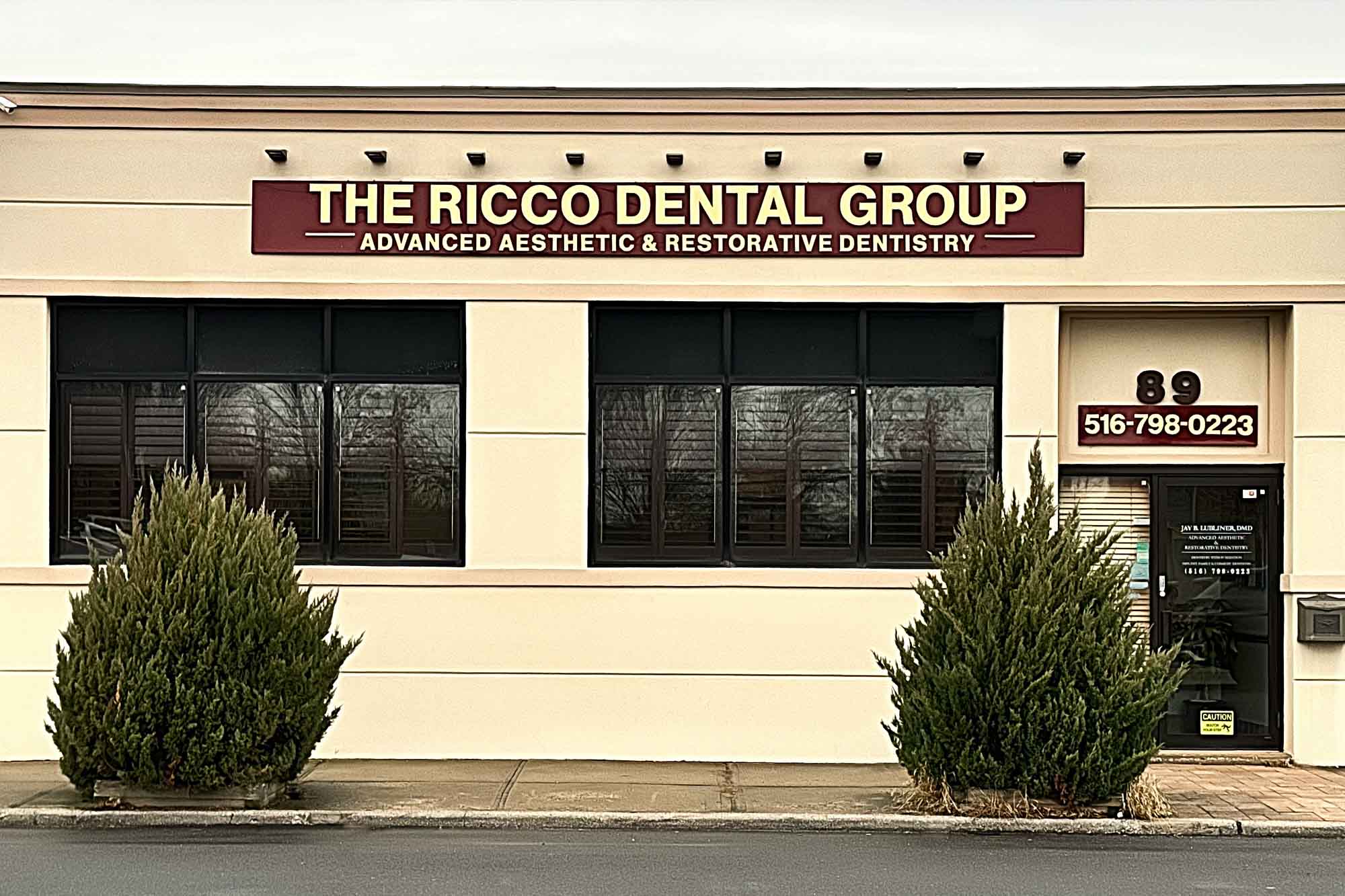
At The Ricco Dental Group, we serve families in our community with comprehensive and compassionate dental care. We strive to provide a comfortable, supportive experience for every patient who visits our practice. Learn more or schedule your appointment by contacting us at one of our convenient offices.